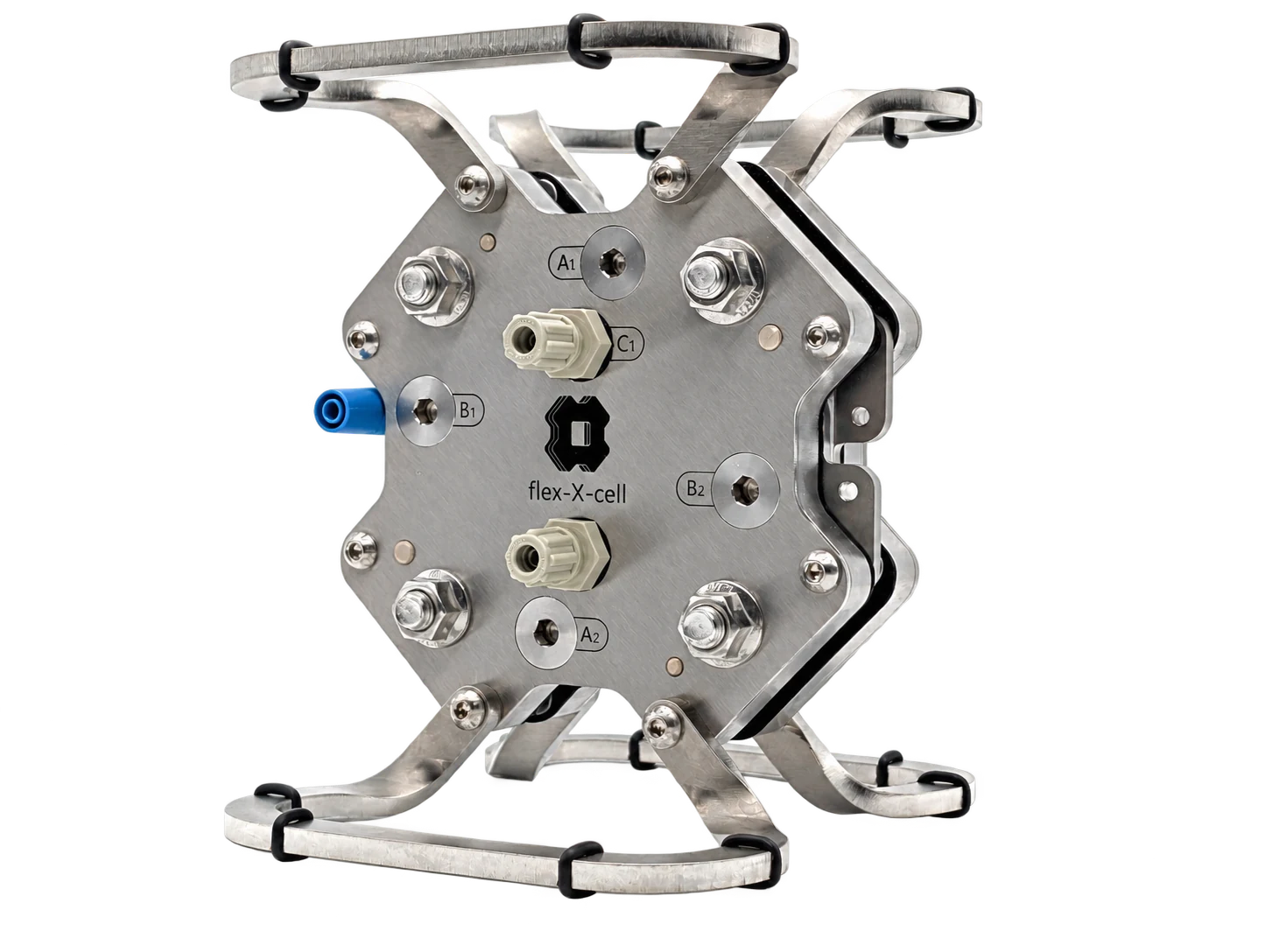
Current design
The current flex-X-cell design builds on the established platform, with refinements to sealing, handling and configurability.

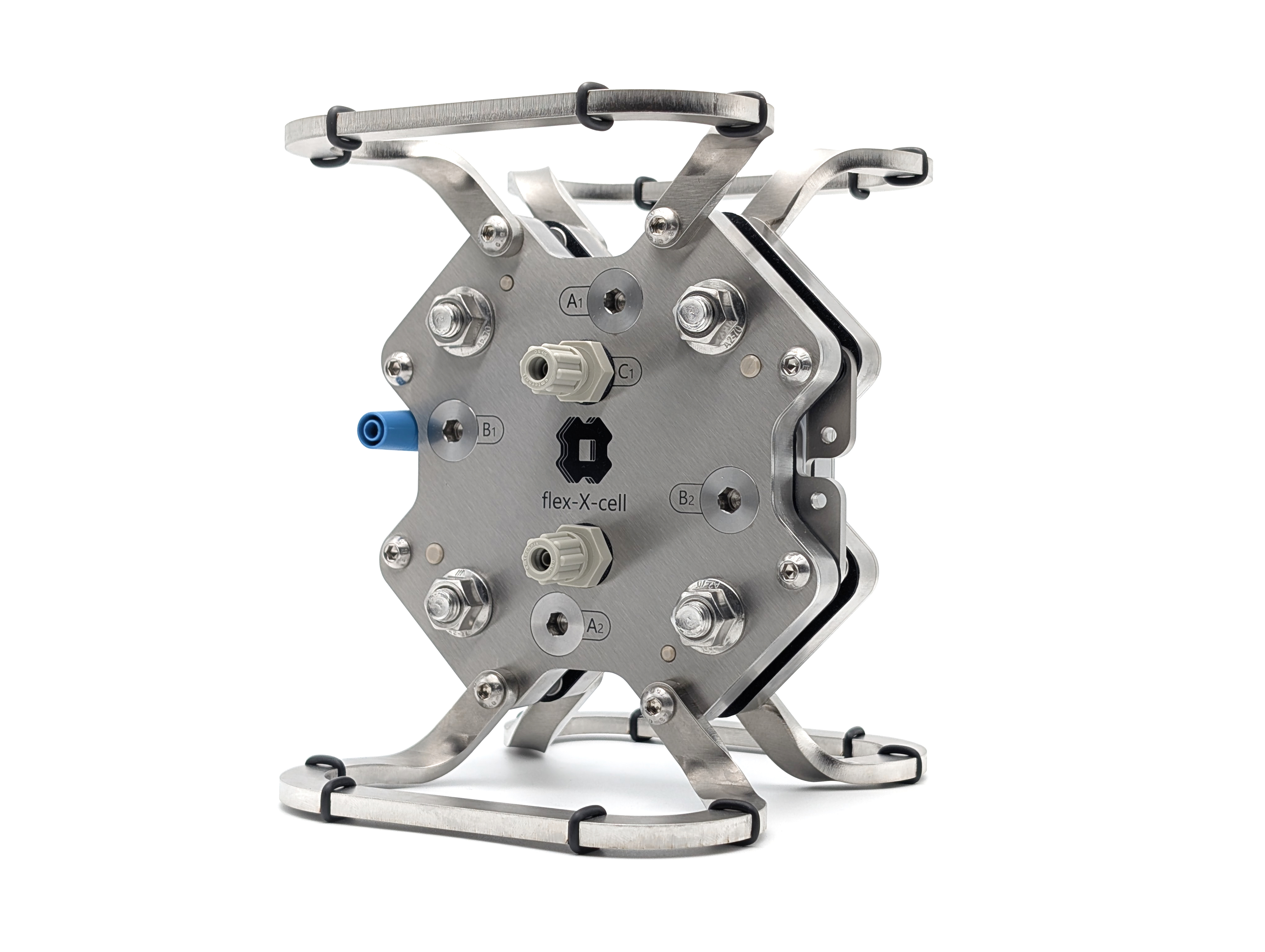
Electrochemical flow cells for research and scale-up
A configurable flow cell platform for electrochemical process development.






Specifications describe standard platform configurations. Application-specific limits depend on components, materials and operating conditions. Pressure values are gauge pressures.*Alternative configurations and extended ranges on request.

flex-X-cell is built around a standardized platform with interchangeable components. Start from an application-specific standard configuration and adapt the cell architecture, flow path, materials and internal components as your requirements evolve.
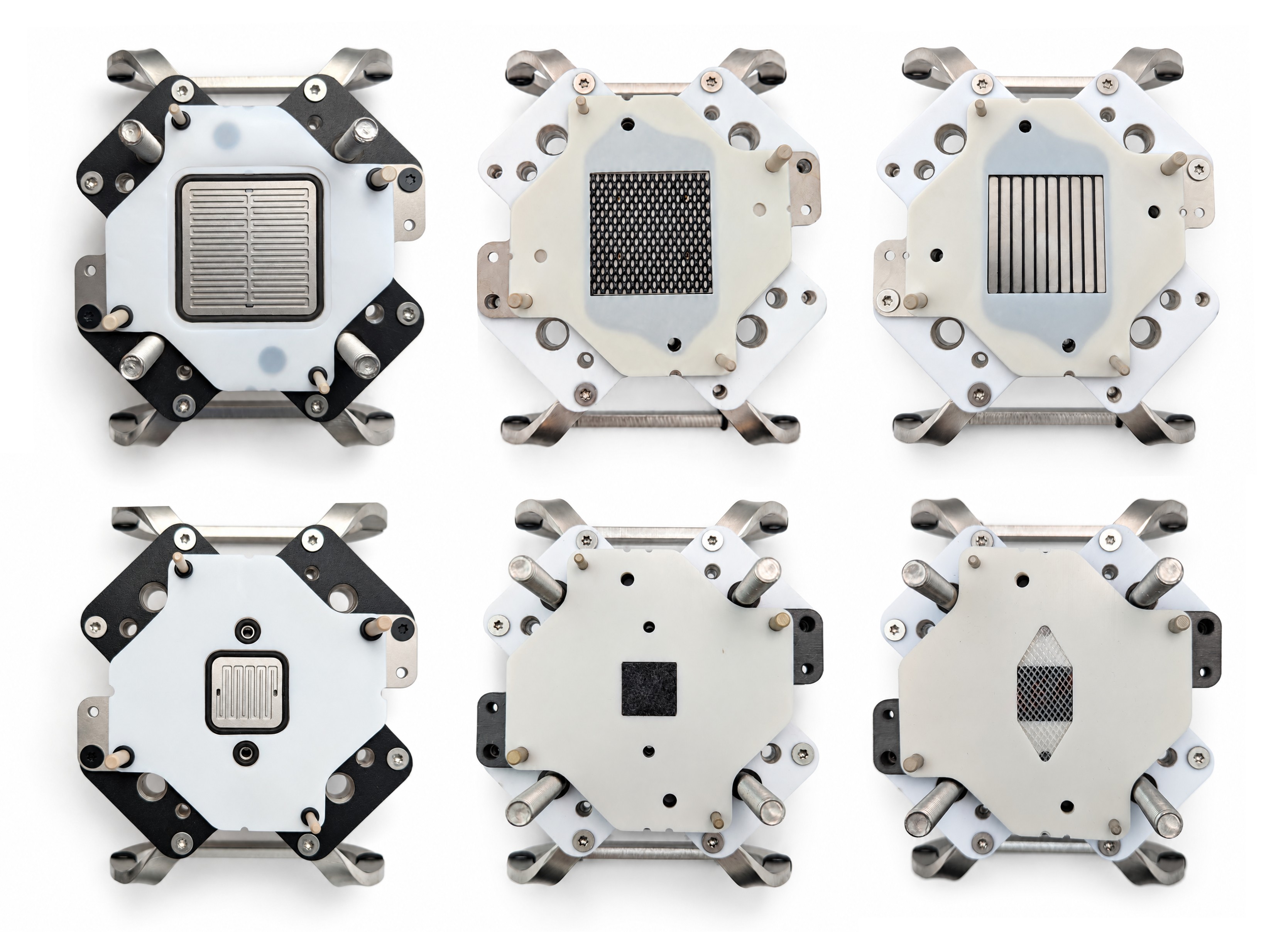
Standard applications include PEM, AEM and alkaline electrolysis, CO₂ reduction (zero-gap or GDE), electrodialysis and electrosynthesis.
Select flow fields, flow frames, electrode and membrane frames, materials and electrode configurations to match your process and operating conditions.
Alternative active areas, flow-field geometries, materials and coatings, plus application-specific components, are available on request.
flex-X-cell combines robust sealing, precisely manufactured components and application-specific material options to support reliable operation and well-defined reaction conditions.
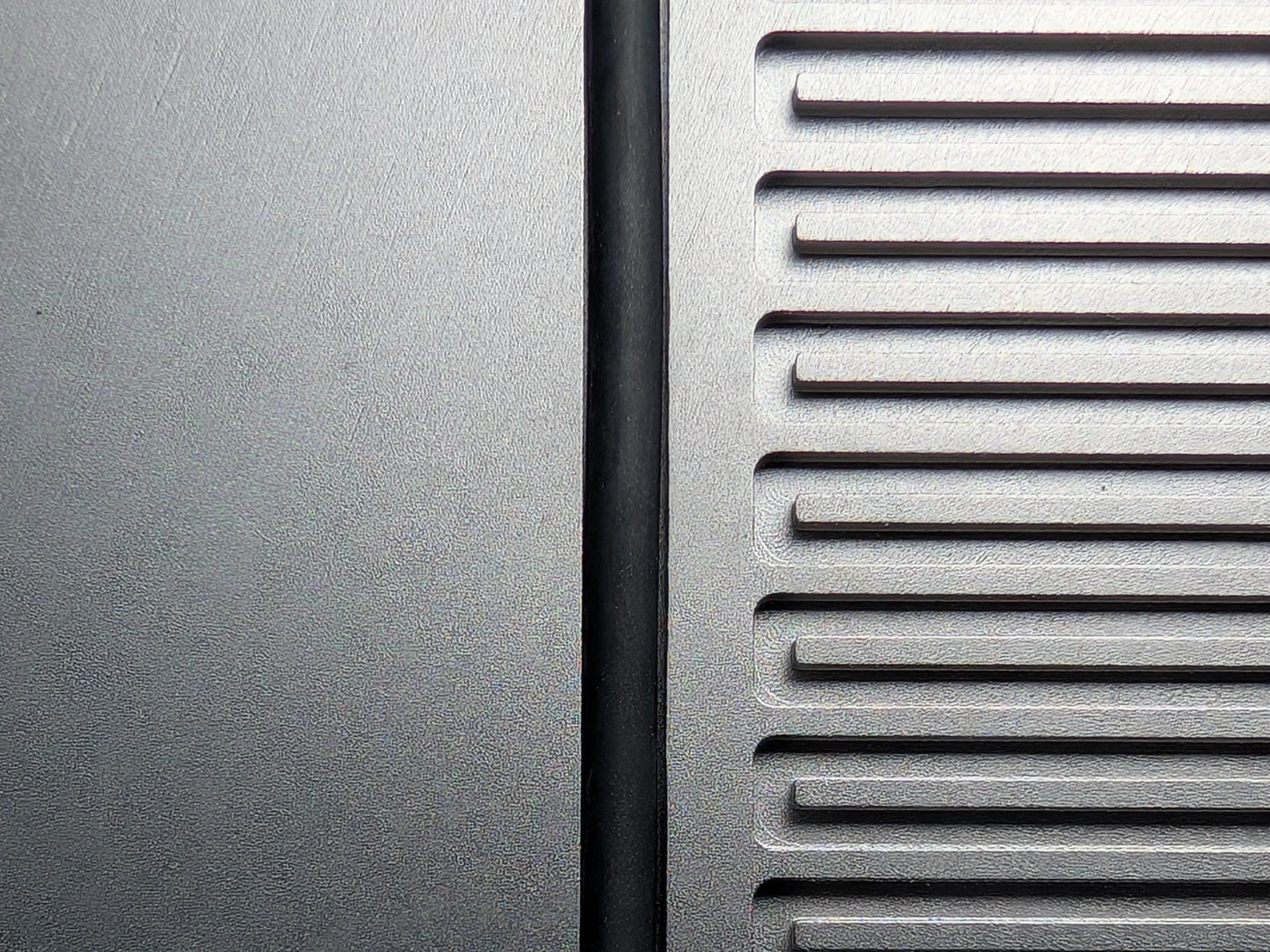
O-rings and defined sealing edges concentrate the sealing force where needed. Every cell is leak-tested before delivery.
Rigid stainless-steel end plates and tight manufacturing tolerances support uniform compression and pressure distribution across the active area.
Different metals and polymers allow the wetted flow path to be matched to your chemical environment, temperature and operating conditions.
flex-X-cell supports electrochemical process development from small-scale laboratory experiments to larger active areas and stacked configurations. A consistent cell architecture and compatible materials help transfer experimental concepts between scales.
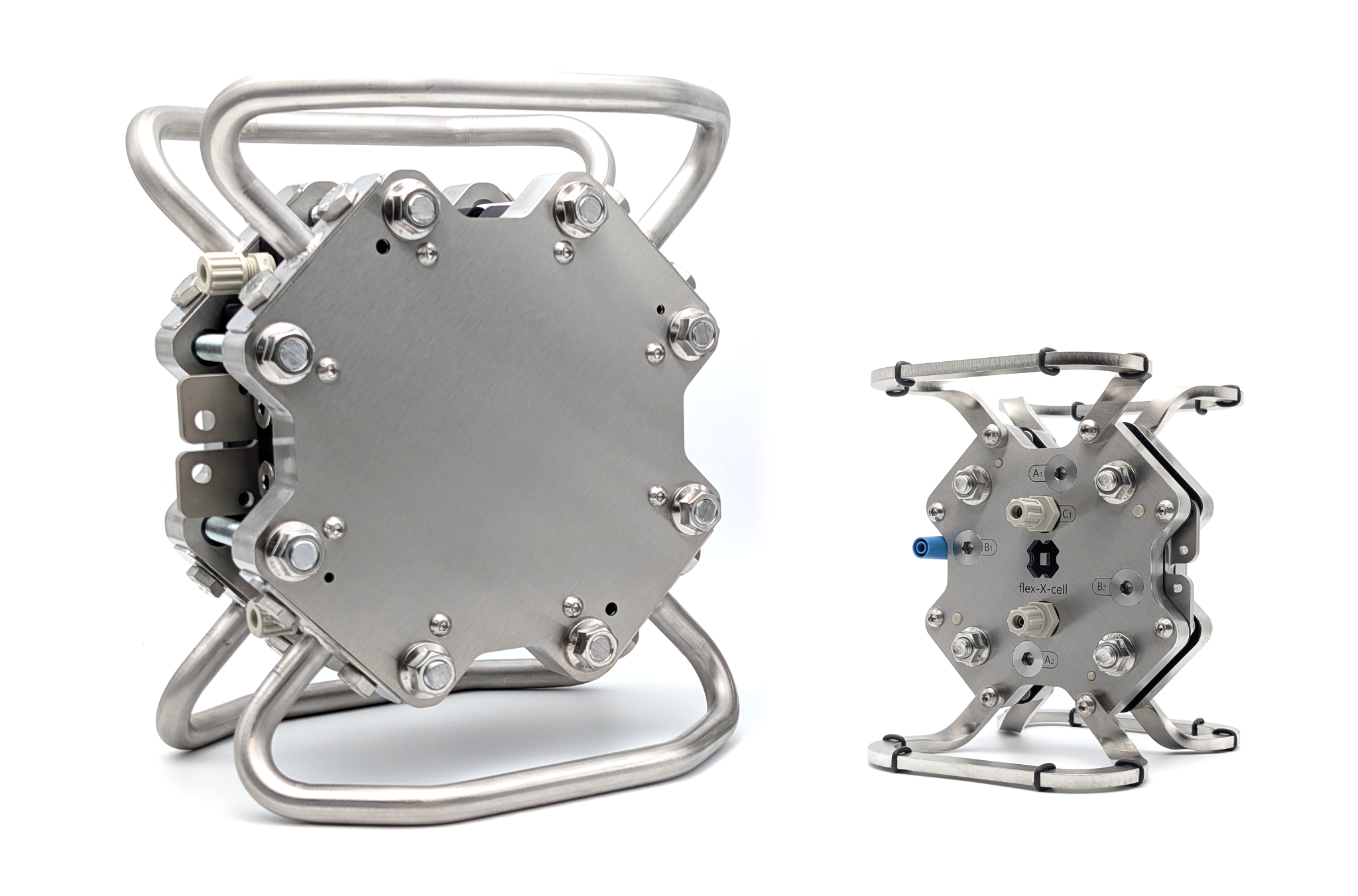
Standard active areas are 5 cm² (S), 25 cm² (M), 100 cm² (L) and 300 cm² (XL). Smaller, larger and application-specific active areas are available on request.
Combine up to 20 cells in standard configurations with bipolar or monopolar operation. Larger stacks are available on request.
A consistent design approach, geometric similarity and comparable materials support the transition from laboratory experiments to larger-area and pilot-scale evaluation.
flex-X-cell is designed for repeated assembly, component exchange and integration into laboratory setups. The cell opens at a defined position, while major components and connectors remain in place for easier access and faster reassembly.
Exchange electrodes and membranes without completely rebuilding the setup, reducing handling time and potential assembly errors.
Different fluid and electrical connection options support integration into existing experimental setups.
The sealing concept requires only a small border around the active area, helping reduce electrode and membrane material requirements.
The flex-X-cell platform has been used for years in electrochemical research and process development across a wide range of applications. In 2026, we introduced an updated design based on experience with existing systems and feedback from users.
Previous-generation cells remain available and supported, with components and replacement parts for existing setups.
The current flex-X-cell design builds on the established platform, with refinements to sealing, handling and configurability.
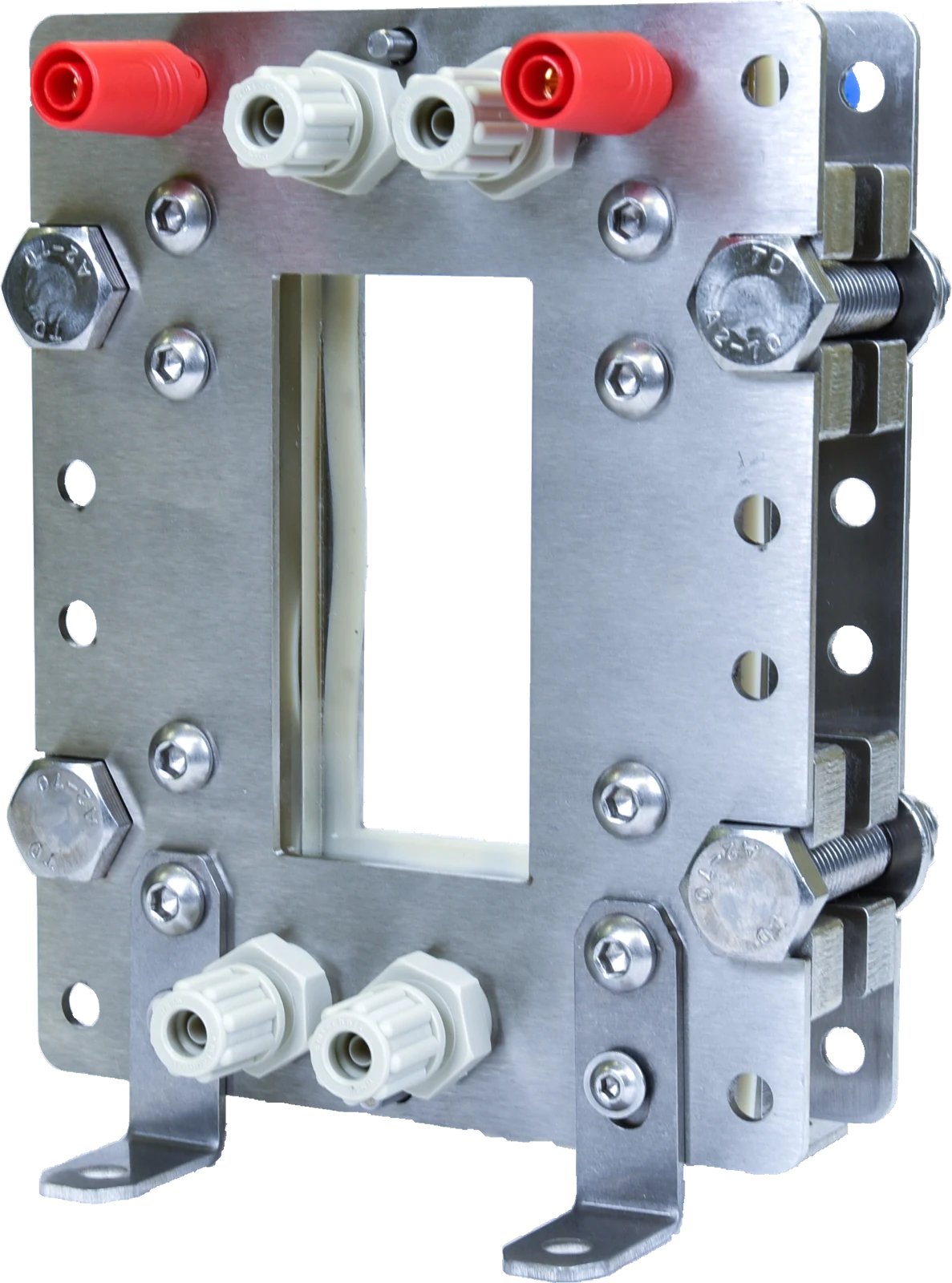
Previous-generation cells remain available. We continue to supply components and replacement parts and support customers using these systems.
Earlier generations of our electrochemical flow cells were marketed as flex-E-cell. Today, we use the flex-X-cell name consistently across our flow cell products.
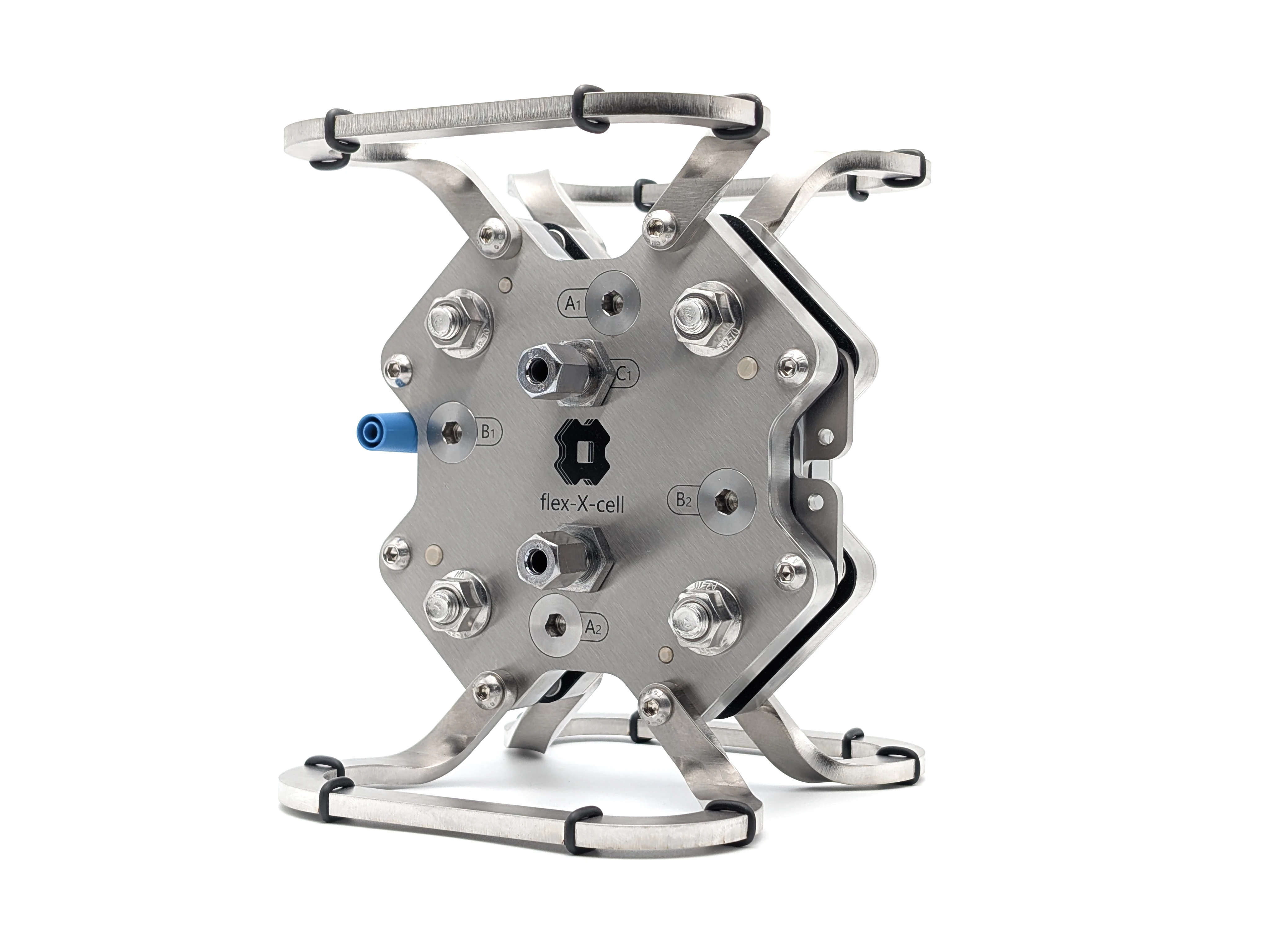
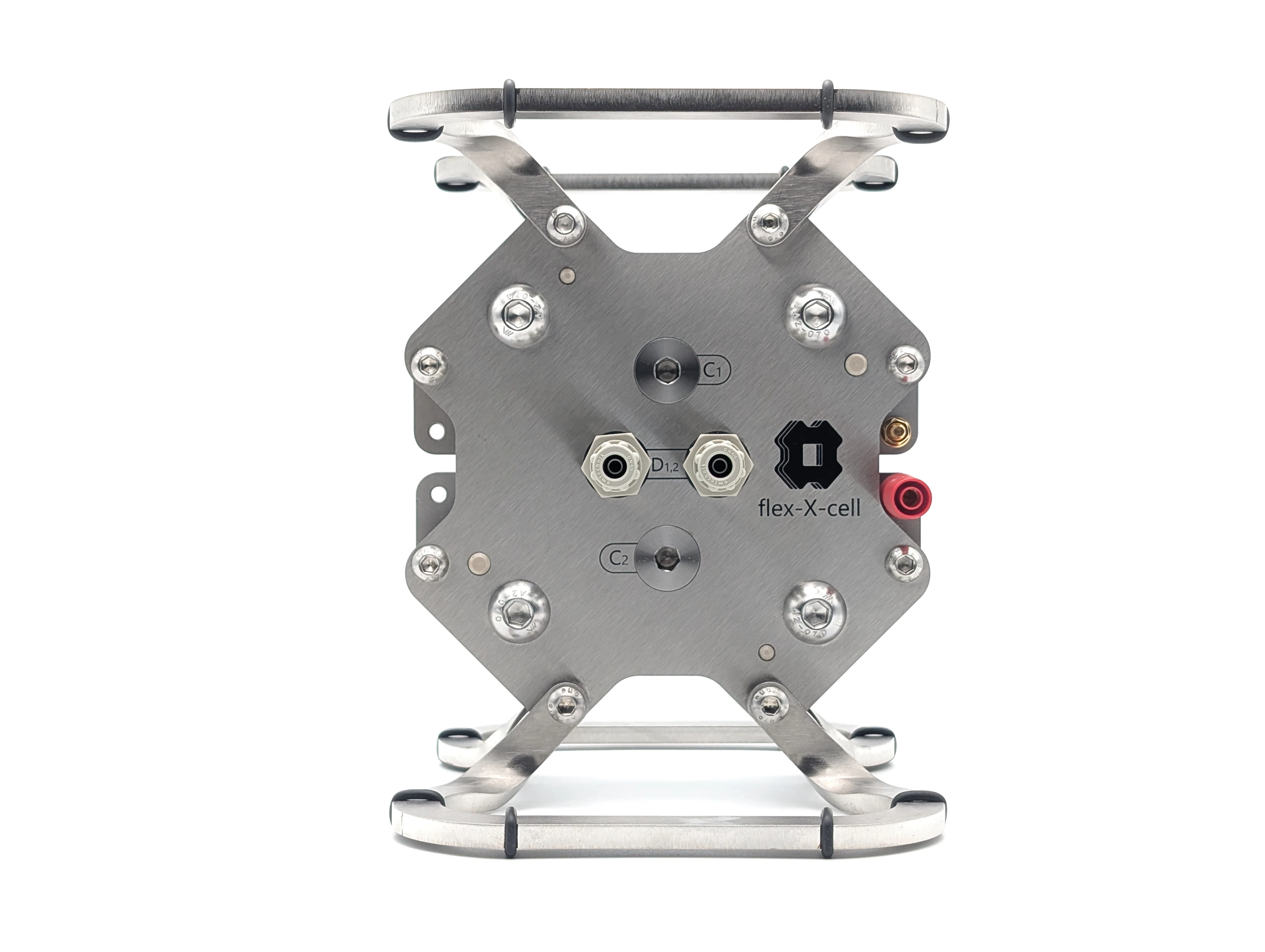
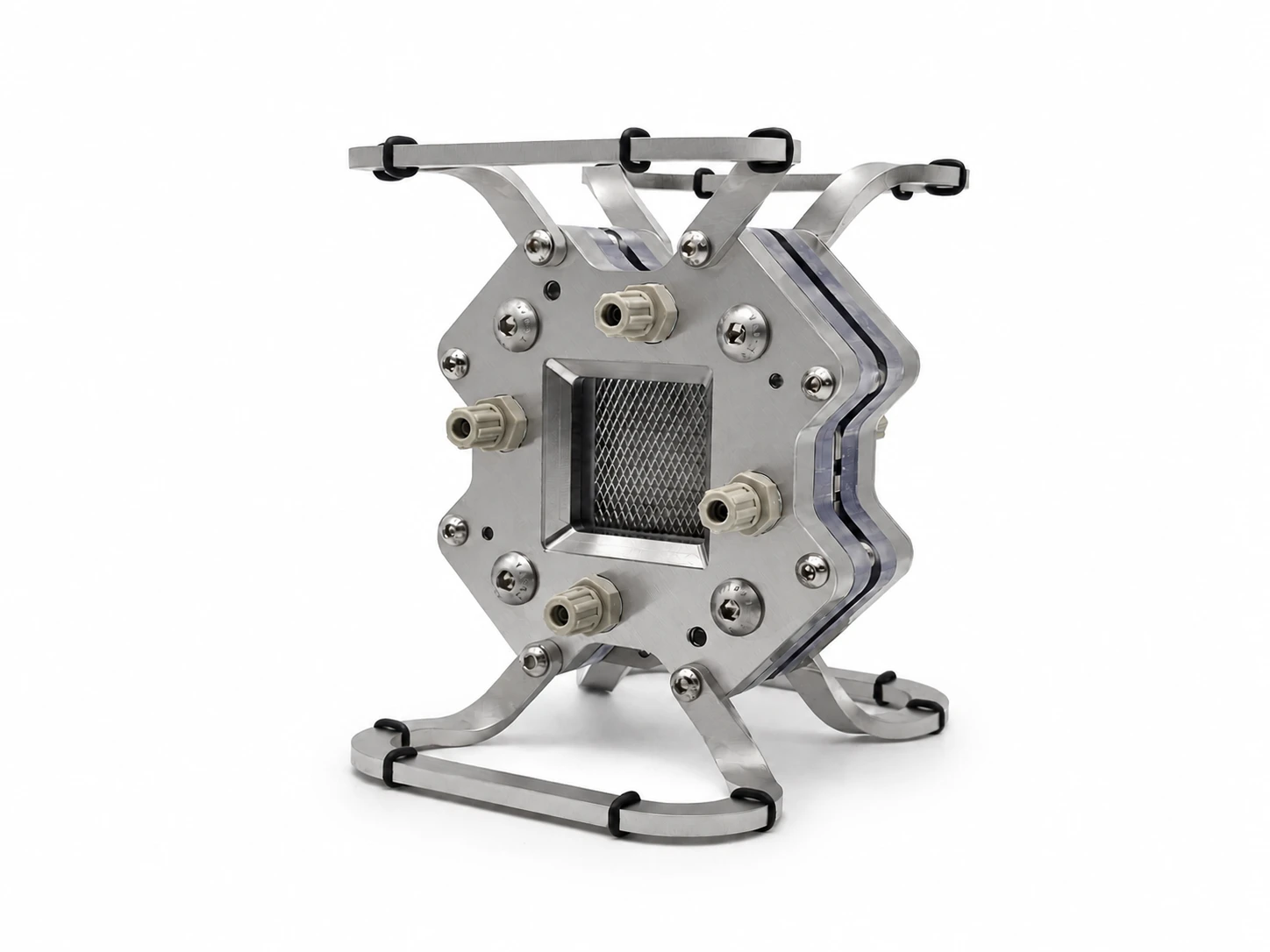
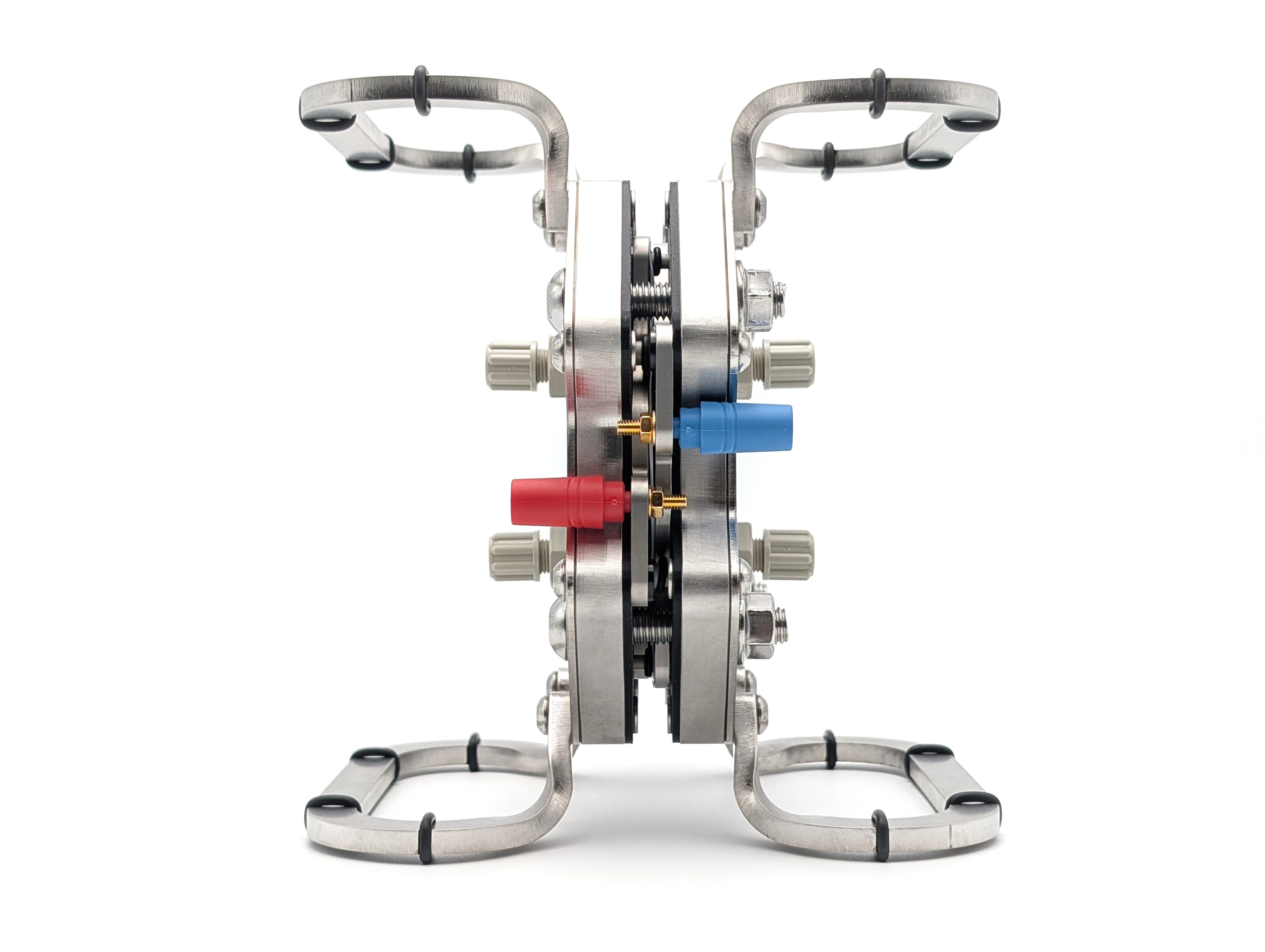
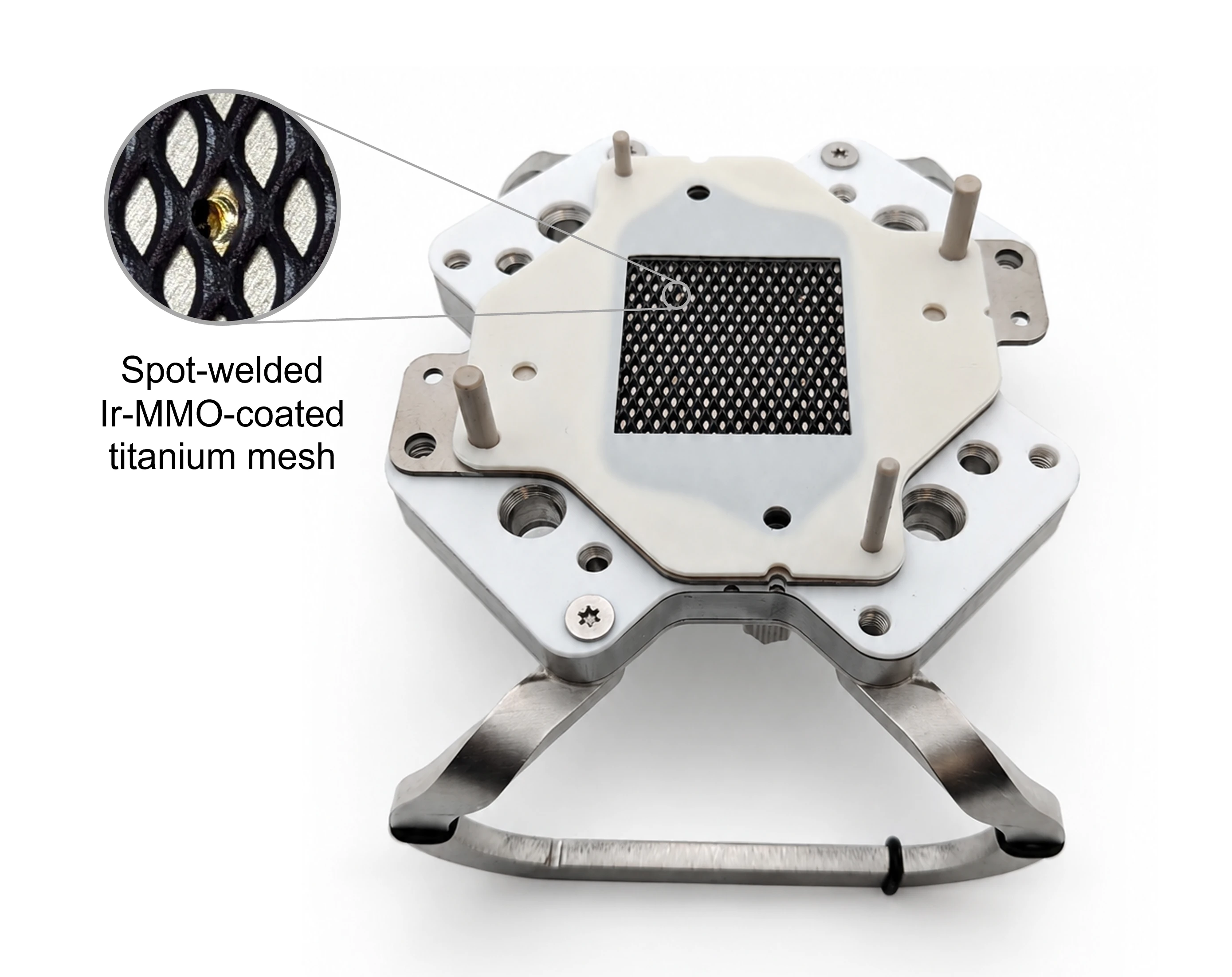
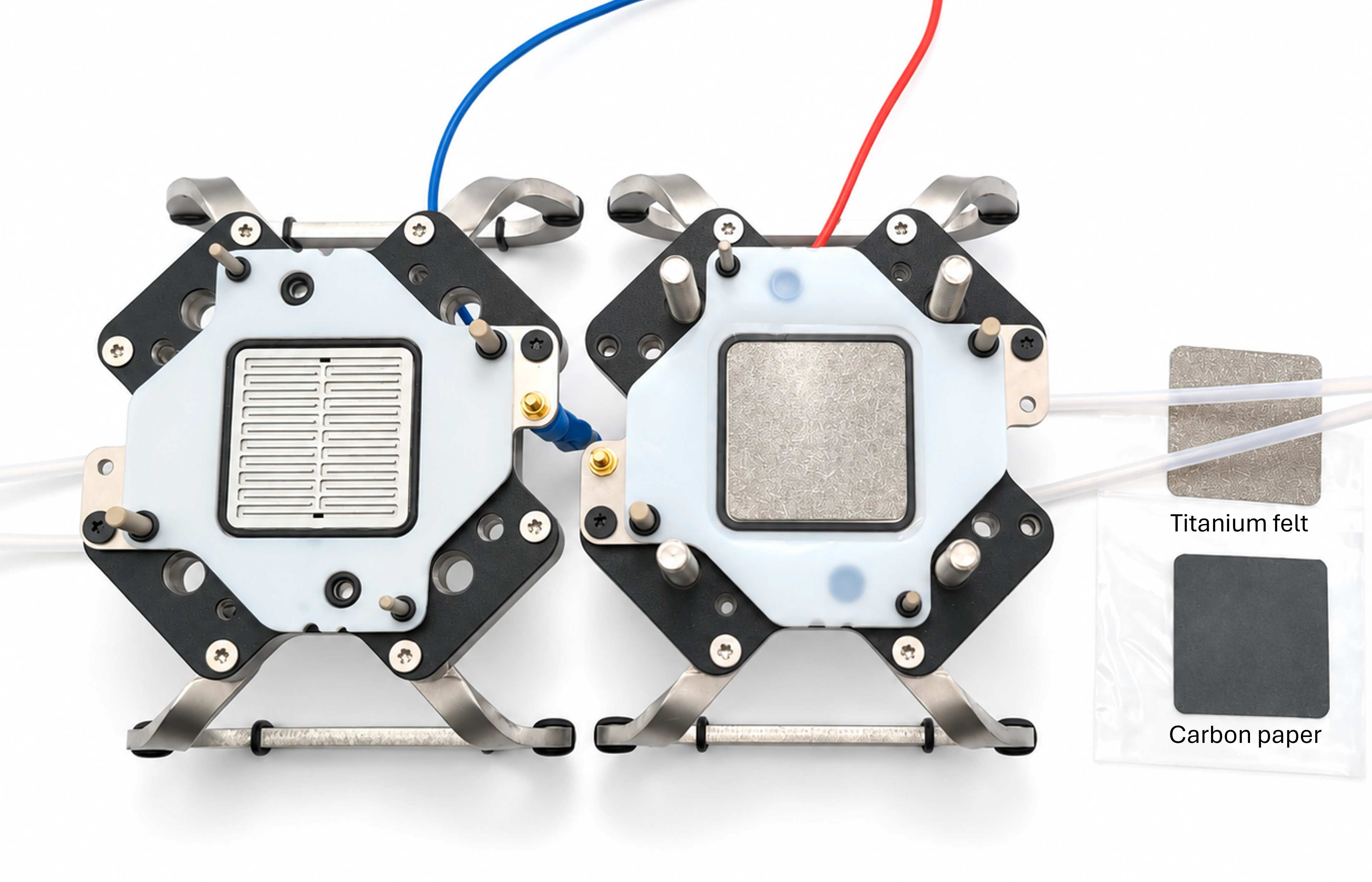
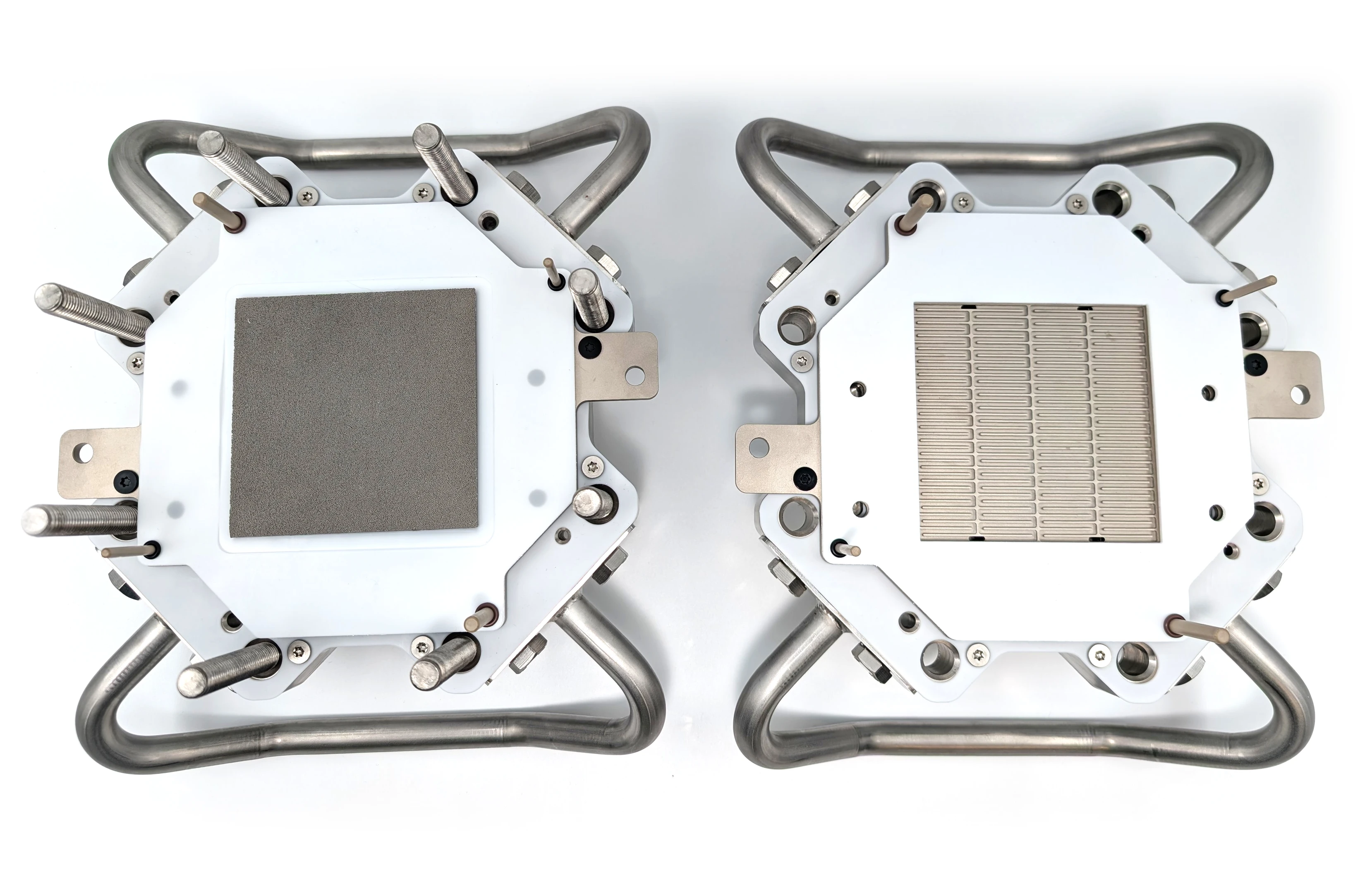
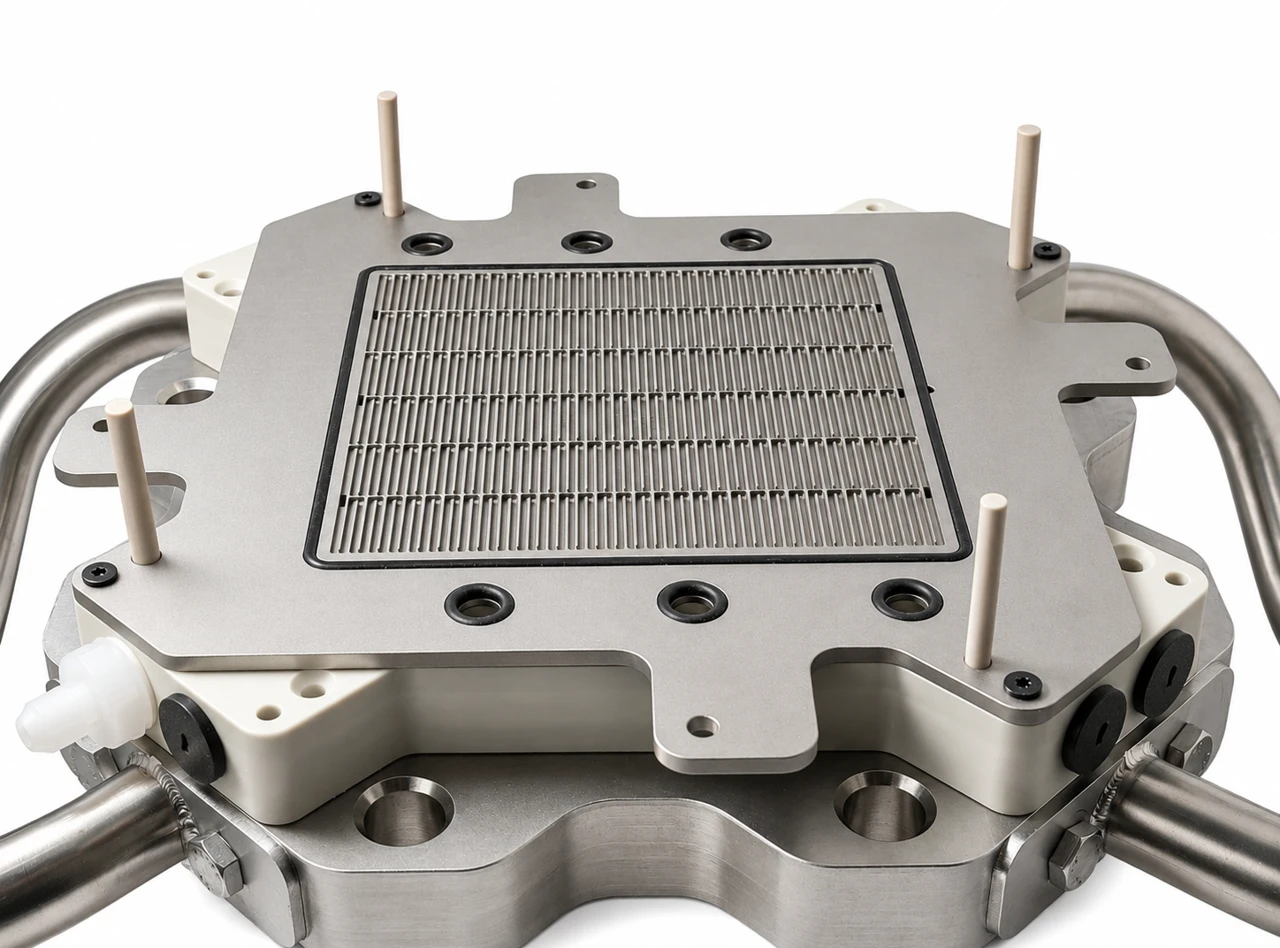
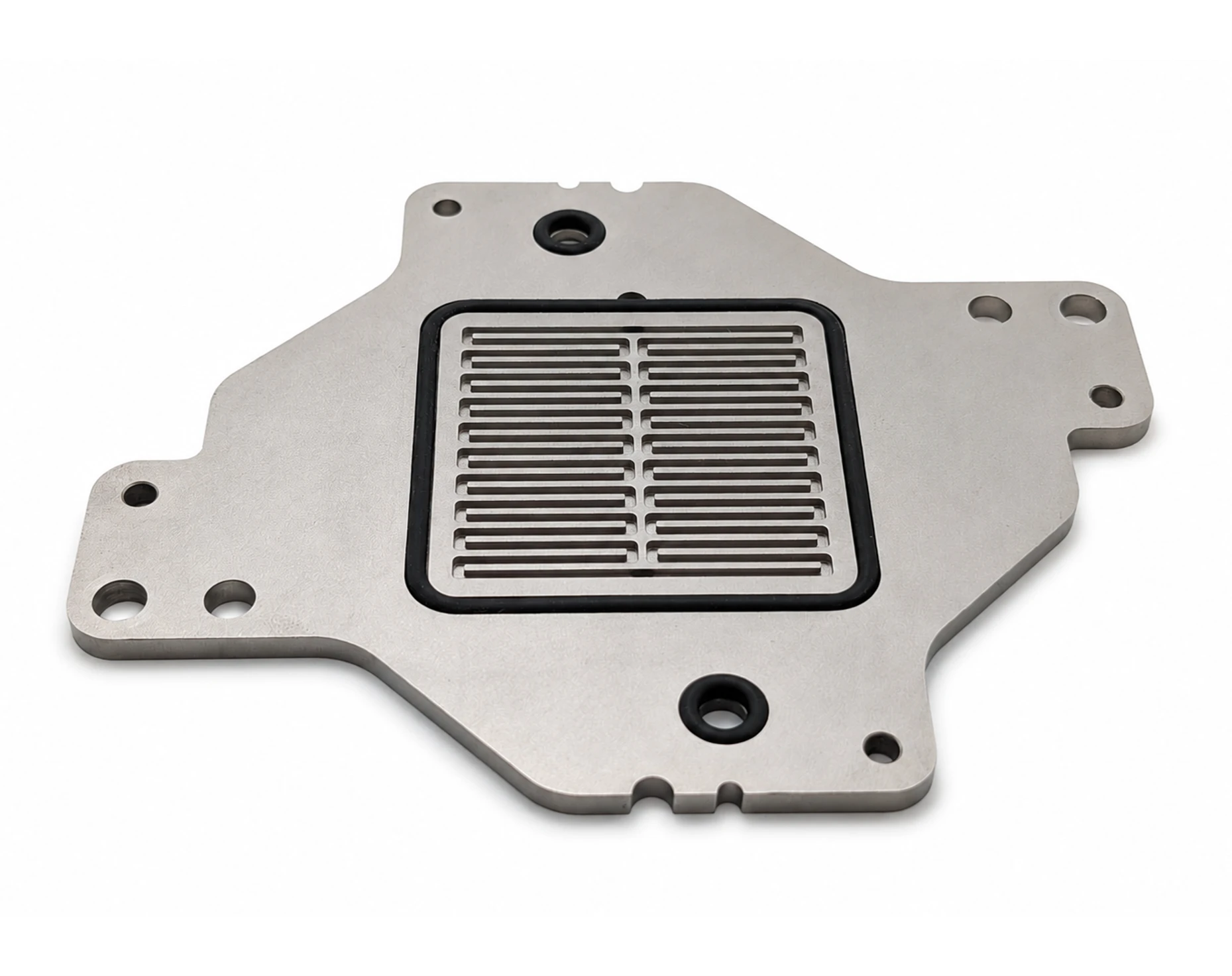
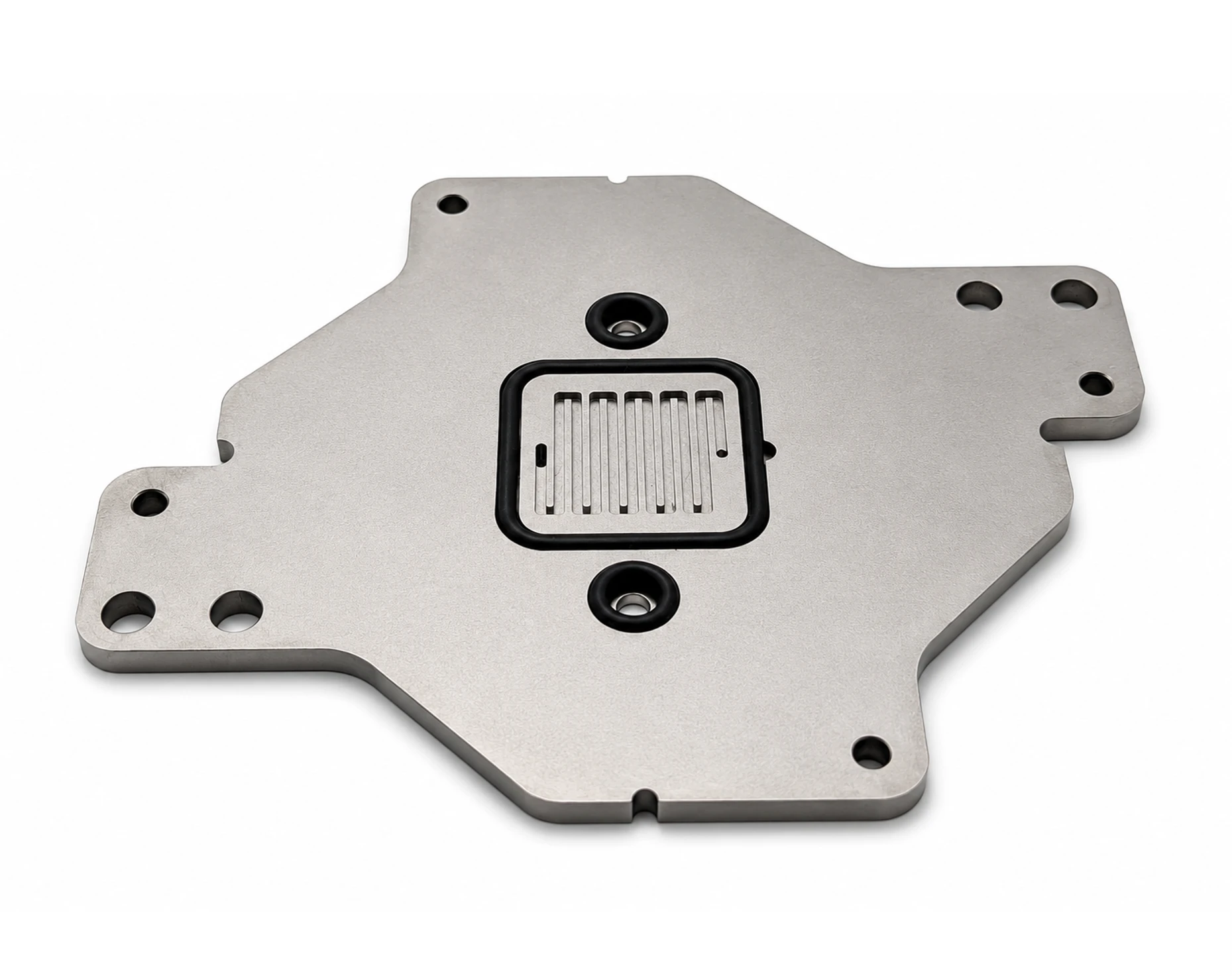
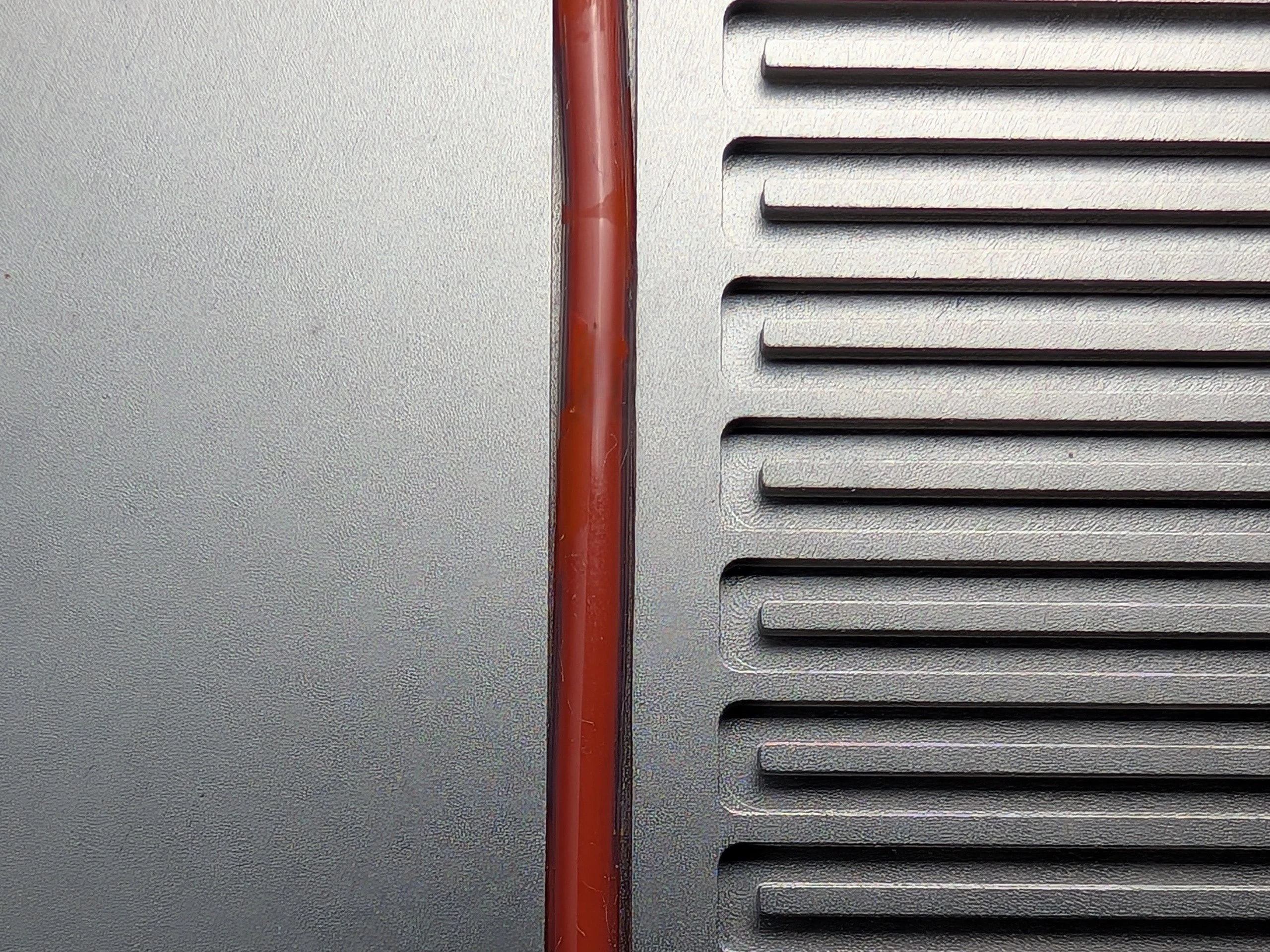
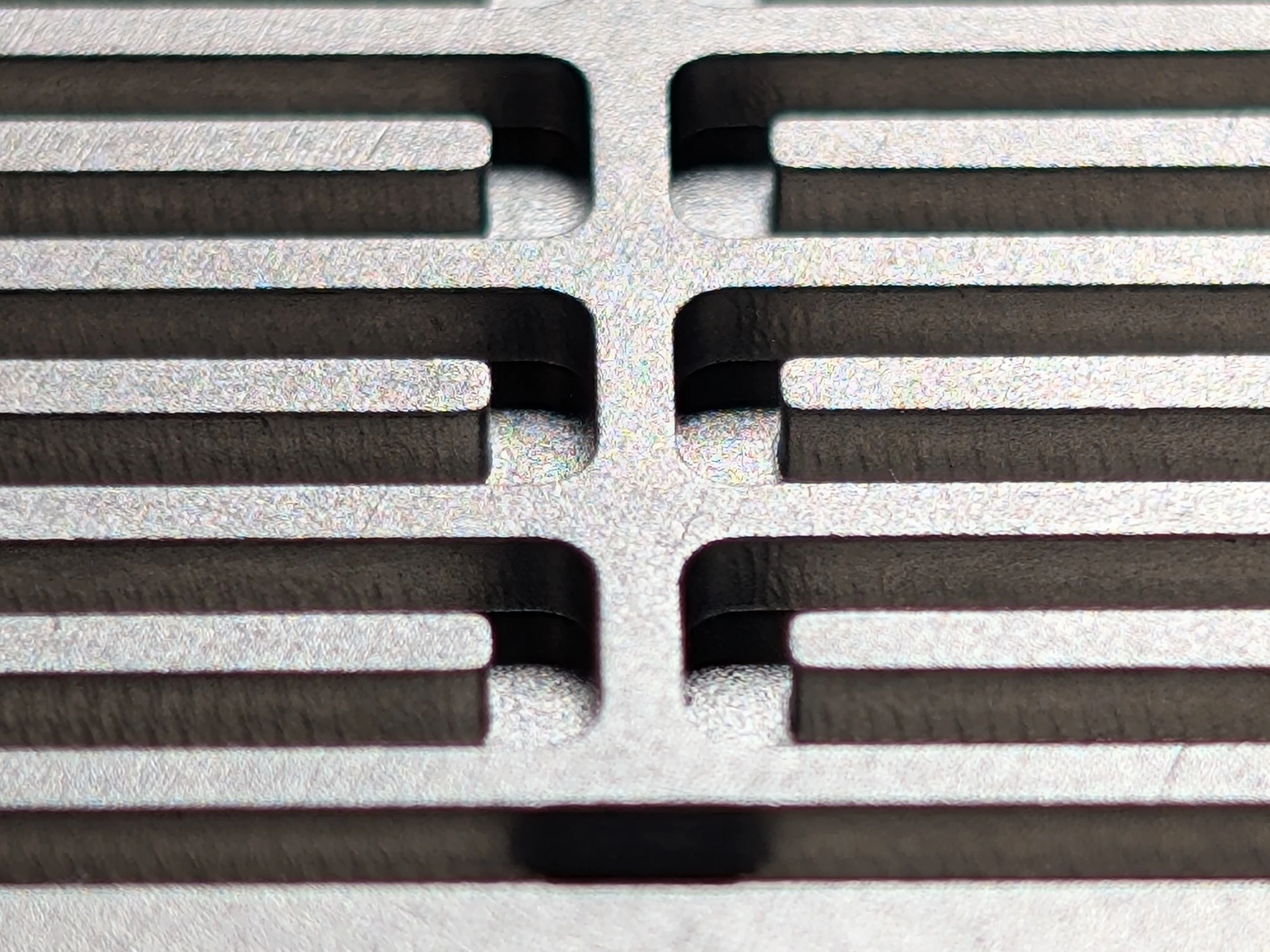
flex-X-cell is available in standard versions for common electrochemical applications. The modular platform can also be adapted with alternative cell architectures, materials, flow fields and internal components to meet your specific requirements.
Browse standard configurations.
Discuss customization or technical requirements.